The Journal
Featured Stories
Explore the history, objects, performances, people, and ideas that shaped the magical arts.
Browse by Category
Magic History
Major periods, developments, performers collectively, and historical movements in magic.
Illusions & Performance
Famous illusions, performance styles, routines, and theatrical developments.
Magic in Culture & Media
Television, Las Vegas, popular culture, advertising, and the public presentation of magic.
Artifacts & Collecting
Physical objects, ephemera, autographs, correspondence, collecting, provenance, and historical value.
Preservation & Research
Conservation, provenance, restoration, documentation, cataloging, and museum research.
The Museum & Collection
The Upchurch Collection itself, building the collection, acquisition philosophy, and preservation goals.
Latest Stories
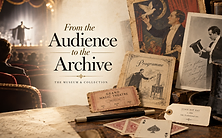
The Museum & Collection
From the Audience to the Archive
Before there was a collection, there was the feeling—the mystery of seeing something that seemed impossible, the wonder of not knowing how it had been done, and sometimes the irresistible urge to solve the puzzle. Years of watching magic on television, at fairs and festivals, in local performances, and eventually in major theaters helped shape the ideas that became The Upchurch Collection of Magic.
September 30, 2026
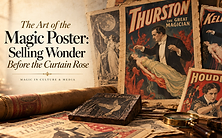
Magic in Culture & Media
The Art of the Magic Poster: Selling Wonder Before the Curtain Rose
Long before audiences saw the illusion, they saw the promise. Magic posters transformed performers into larger-than-life figures through color, spectacle, danger, mystery, and sometimes deliberate exaggeration. Today, those advertisements preserve more than beautiful artwork—they reveal how magicians wanted to be seen and how entire generations were persuaded to believe that something extraordinary was coming to town.
September 28, 2026
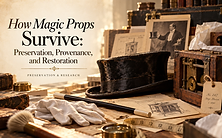
Preservation & Research
How Magic Props Survive: Preservation, Provenance, and Restoration
Magic props were built to perform, not to spend centuries in museums. Wood warps, metal corrodes, fabric fades, mechanisms seize, and careless restoration can erase the very evidence that makes an object historically important. Preserving magic apparatus therefore requires more than keeping it safe. It requires understanding where it came from, how it was used, what should be repaired, and what should be left alone.
September 28, 2026
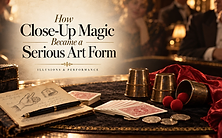
Illusions & Performance
How Close-Up Magic Became a Serious Art Form
Close-up magic uses some of the smallest objects in the magician's repertoire—cards, coins, rings, cups, balls, and borrowed objects—yet it can create some of the strongest illusions. Its rise from informal demonstrations and supporting material to a respected performance discipline changed the way magicians thought about technique, psychology, presentation, and the relationship between performer and audience.
September 28, 2026
Magic in Culture & Media
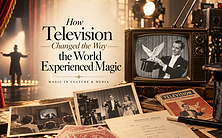
How Television Changed the Way the World Experienced Magic
Before television, most magic had to be experienced in person. A magician traveled to the audience, performed in a theater, nightclub, fairground, or vaudeville house, and disappeared when the engagement ended. Television reversed that relationship. Suddenly the magician could enter millions of homes at once, turning local performers into international personalities and changing not only how magic was presented, but what audiences expected magic to be.
September 28, 2026
The Museum & Collection
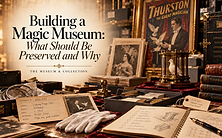
Building a Magic Museum: What Should Be Preserved and Why
A great magic collection cannot be built around famous names and impressive props alone. Posters, photographs, correspondence, tickets, books, performance-used objects, and even seemingly ordinary pieces of ephemera can preserve parts of magic history that would otherwise disappear. The challenge is deciding not simply what to collect, but what stories deserve to survive.
September 28, 2026